
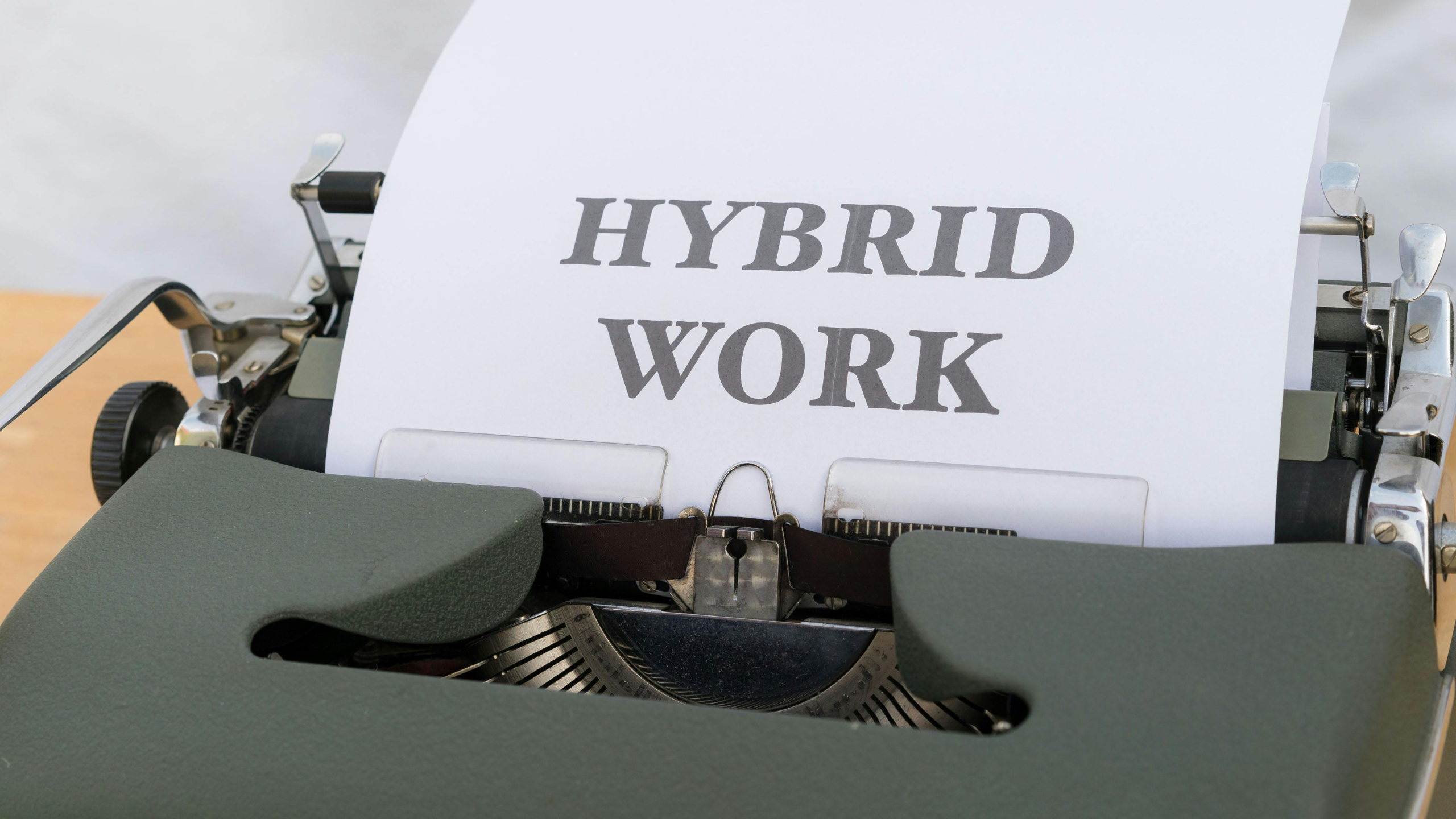
How to Build a Hybrid Work Policy That Actually Works
Hybrid work is here to stay, but implementing it successfully can be tricky—especially for small businesses. Without clear policies, employees may feel confused about expectations, communication, or productivity standards.
A well-designed hybrid work policy ensures flexibility while keeping your team aligned, engaged, and productive. It also reduces frustration, prevents burnout, and protects your business from HR headaches.
Why a Hybrid Work Policy Matters
A hybrid work policy is more than just deciding which days employees work from home. It:
Sets clear expectations for communication, productivity, and availability
Establishes boundaries for work-life balance
Reduces confusion and conflict between team members
Supports engagement and retention by offering flexibility
Without a clear policy, hybrid work can quickly turn into mixed signals, miscommunication, and disengagement.
Key Elements of a Successful Hybrid Work Policy
Define Who, When, and Where
Specify which roles are eligible for remote work, how often, and which days in-office attendance is expected. Clarity prevents frustration and ensures fairness.Set Communication Guidelines
Outline expectations for emails, chat, video calls, and meetings. For tips on how to prevent team confusion, see Your Team’s Not Lazy — They’re Probably Just Confused.Focus on Outcomes, Not Hours
Shift from tracking time to tracking results. Employees feel trusted, and management can focus on performance rather than micromanagement.Address Technology and Security
Provide guidance on VPNs, secure access, and company devices to protect sensitive data. For compliance checks and policy alignment, reference The 10-Minute HR Audit: What Every Small Business Should Review This Quarter.Include Well-Being Practices
Encourage breaks, set clear boundaries, and remind employees that flexible work should not lead to overwork. Burnout prevention strategies are key—see Employee Mental Health Is Your Business — Even If You’re Not a Therapist.Review and Update Regularly
Hybrid work is evolving. Regularly gather feedback, monitor productivity, and adjust the policy as needed.
Common Pitfalls to Avoid
Leaving policies vague: Ambiguity leads to inconsistent expectations
Ignoring team input: Policies that don’t reflect employee needs often fail
Treating hybrid work as temporary: Long-term clarity is crucial
Overlooking compliance: Labor laws, overtime, and workplace safety still apply
The Bottom Line
A thoughtful hybrid work policy for small business balances flexibility with accountability. Clear expectations, open communication, and regular feedback help employees thrive—while giving your business structure, consistency, and productivity.
Ready to make hybrid work actually work for your team? Contact us today to build a clear, flexible policy that keeps employees engaged and productive.